%2Ffit-in%2F250x250%2Fguide_websites%2F19510%2Fimages%2F1739477814243logo.png&w=1200&q=100)
/users/5ff2ce94-7b73-4884-9dea-87069e8872bb/ratecard/rate-card-001.jpg)
%2F300x300%2Fusers%2F5ff2ce94-7b73-4884-9dea-87069e8872bb%2Fratecard%2Frate-card-001.jpg&w=256&q=75)
%2F300x300%2Fusers%2F5ff2ce94-7b73-4884-9dea-87069e8872bb%2Fimages%2Fscenic-coastal-landscape-sc-2636.jpg&w=256&q=75)
%2F300x300%2Fusers%2F5ff2ce94-7b73-4884-9dea-87069e8872bb%2Fimages%2Fbest-great-fishing-sc-2386.jpg&w=256&q=75)
%2F300x300%2Fusers%2F5ff2ce94-7b73-4884-9dea-87069e8872bb%2Fimages%2Ffishing-fun-south-carolina-2560.png&w=256&q=75)
%2F300x300%2Fusers%2F5ff2ce94-7b73-4884-9dea-87069e8872bb%2Fimages%2Fbig-gag-grouper-south-carolina-2792.png&w=256&q=75)
%2F300x300%2Fusers%2F5ff2ce94-7b73-4884-9dea-87069e8872bb%2Fimages%2Fbest-great-fishing-sc-2656.png&w=256&q=75)
%2F300x300%2Fusers%2F5ff2ce94-7b73-4884-9dea-87069e8872bb%2Fimages%2Ffishing-fun-myrtle-beach-2579.png&w=256&q=75)
%2F300x300%2Fusers%2F5ff2ce94-7b73-4884-9dea-87069e8872bb%2Fimages%2Ffishing-adventure-myrtle-beach-2558.png&w=256&q=75)
%2F300x300%2Fusers%2F5ff2ce94-7b73-4884-9dea-87069e8872bb%2Fimages%2Ffishing-adventure-sc-2383.png&w=256&q=75)
%2F300x300%2Fusers%2F5ff2ce94-7b73-4884-9dea-87069e8872bb%2Fimages%2Fgreat-fishing-myrtle-beach-2344.png&w=256&q=75)
%2F300x300%2Fusers%2F5ff2ce94-7b73-4884-9dea-87069e8872bb%2Fimages%2Fangler-catch-myrtle-beach-2425.png&w=256&q=75)
Top-Rated 6-Hour Private Fishing Adventure
 North Myrtle Beach
What you will be catching:
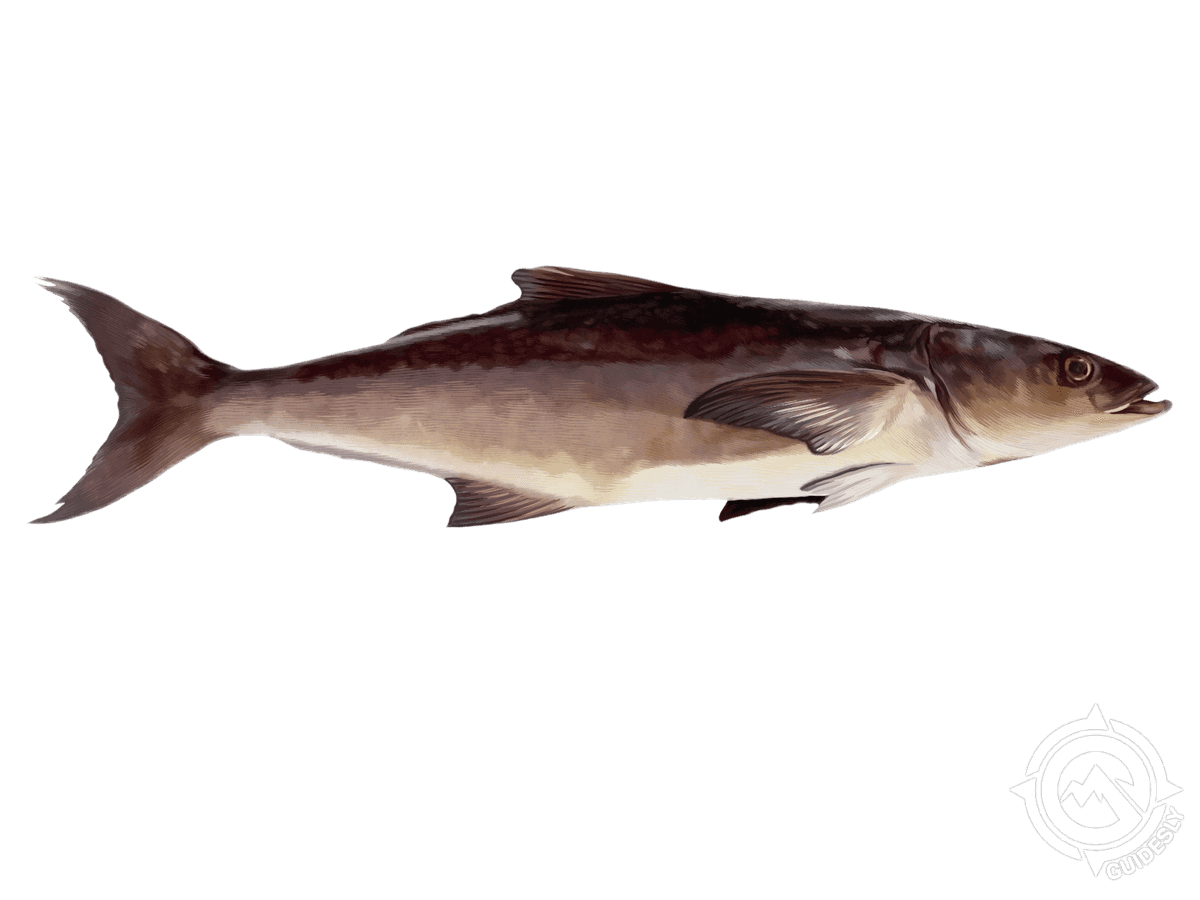
 Cobia
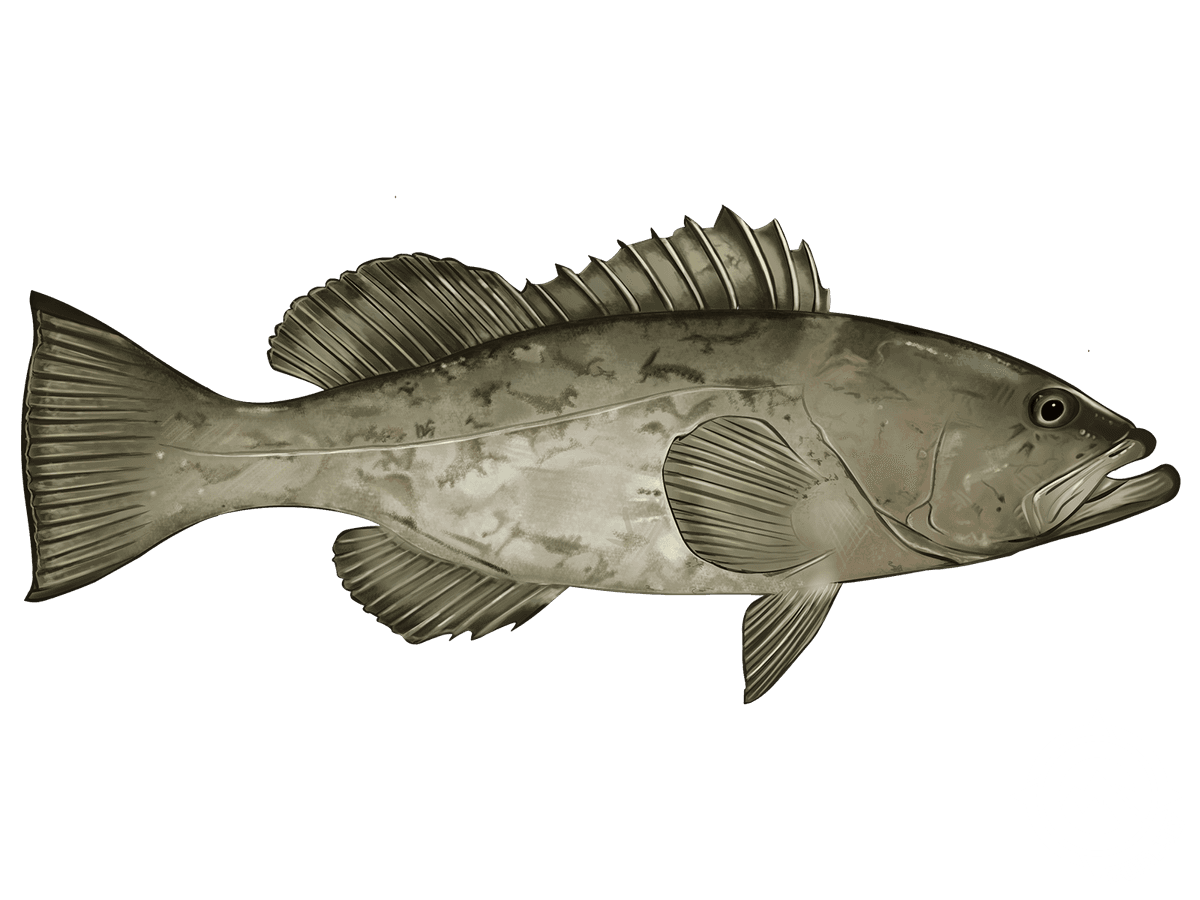
Cobia Gag Grouper
 Great Barracuda
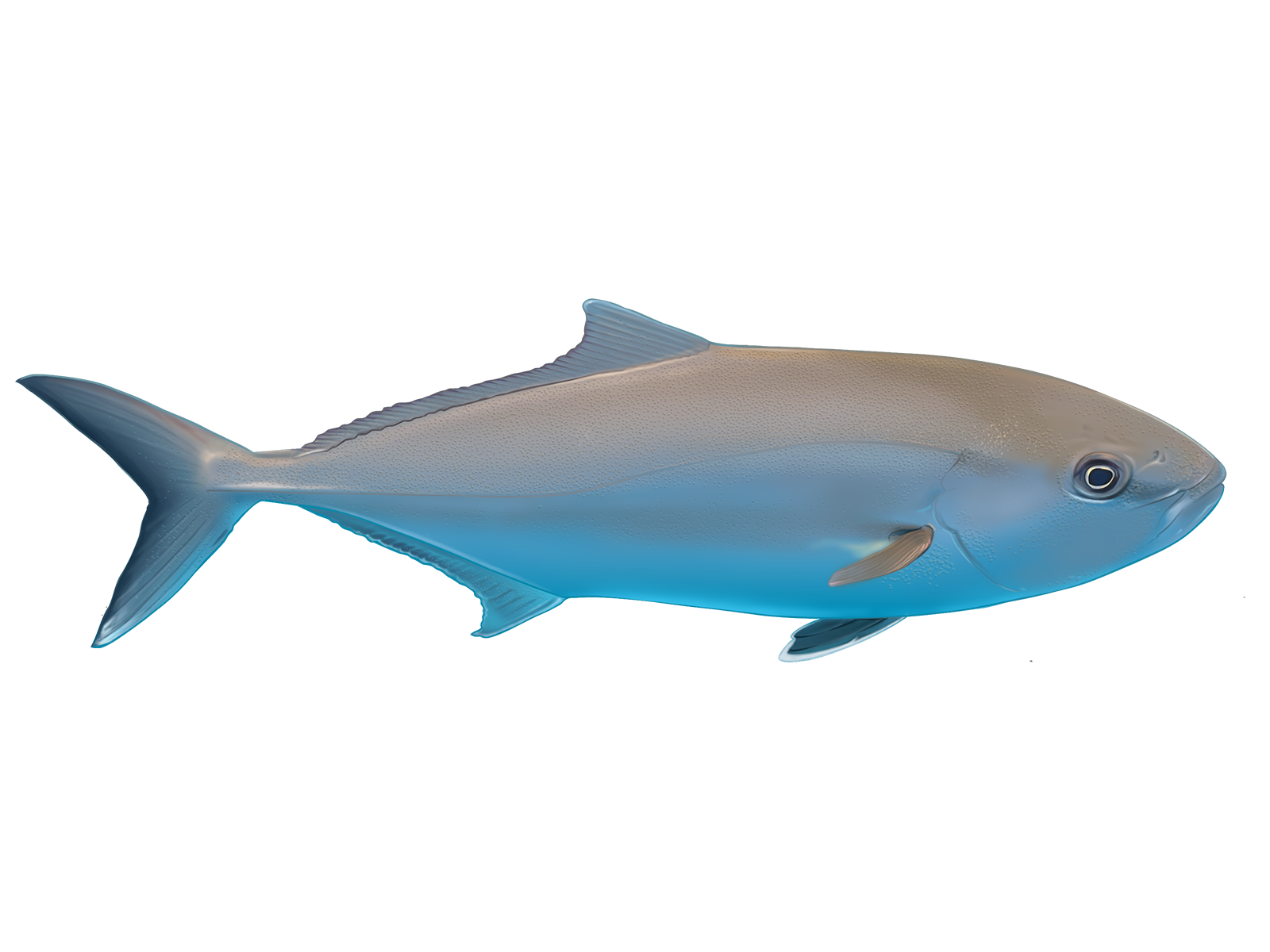 Greater Amberjack
 King Mackerel
- Customized inshore fishing trips at Little River Inlet for up to 4 guests
- All equipment provided with local expertise targeting active fishing grounds
- Flexible approach adapting to daily conditions maximizing catch potential
Trip Pricing and Availabilities:
Reel in the Action: Little River Inlet Fishing
Ready to mix it up with some of the hottest fishing action around? Our Private Inshore Little River Inlet Fishing Charter is your ticket to a day on the water you won't soon forget. We're not just talking about dropping a line and hoping for the best - this is hands-on, tailored fishing that puts you right where the big ones are biting. Whether you're itching to tangle with a hard-fighting king mackerel or want to test your skills against a bruiser amberjack, we've got you covered. Our local know-how means we're always on top of where the fish are schooling, so you can spend less time searching and more time reeling.
What's Biting Today?
Here's the deal: every trip is a custom job. We keep our eyes on the water and our ears to the ground, adjusting our game plan based on what Mother Nature's serving up. Some days, we might stick close to shore, working the inlets and backwaters where the redfish and flounder love to hang out. Other times, we'll push a bit further out, chasing the pelagics that cruise the nearshore waters. It's all about maximizing your chances of hooking into something special. And with a max of 4 guests, you can bet you'll get plenty of personalized attention from your captain.
Rigging Up for Success
We're all about using the right tool for the job. Depending on what we're after, we might be setting up with light tackle for some finesse fishing in the shallows, or breaking out the heavy gear if we're tangling with some of the bigger offshore species. We'll show you the ropes on everything from bottom fishing techniques to sight casting. Don't worry if you're new to this - we've got all the gear you need, and we're happy to walk you through the basics. For you seasoned anglers, get ready to pick up some local tricks that'll up your game.
Fish Tales and Hot Spots
Every angler's got their favorite fishing hole, and boy, do we know some doozies. We might hit up the jetties where the cobia like to lurk, or drift along some prime structure that the grouper call home. There's nothing quite like the moment when your line goes tight and you're locked in a battle with a fish that's determined to win. And let me tell you, when you're reeling in a king mackerel that's streaking across the surface, or feeling the raw power of an amberjack as it tries to break you off on the bottom, that's when you know you're living right.
Target Species Breakdown
King Mackerel: These speedsters are the sprinters of the sea. Known for blistering runs and acrobatic leaps, hooking into a king (or "smoker" as we like to call 'em) is pure adrenaline. They typically show up in our waters from spring through fall, with the biggest ones often caught in the late summer. Trolling with live bait or spoons is the name of the game here, and when they hit, hold on tight!
Greater Amberjack: AJs are the heavyweight champs of the nearshore waters. These bruisers hang around wrecks and reefs, and when you hook one, be prepared for a workout. They're here year-round, but the fishing really heats up in the warmer months. Dropping live bait or jigs down deep is how we get 'em, and trust me, when an AJ decides it's go time, you'll feel it all the way to your toes.
Great Barracuda: With a mouthful of razor-sharp teeth and a bad attitude to match, 'cudas are the punks of the ocean. They're lightning-fast and not afraid to show off with some impressive aerial displays when hooked. We see them most often in the summer months, lurking around structure and ready to ambush anything that looks like an easy meal. Trolling with tube lures or live bait is how we tempt these toothy critters.
Cobia: Also known as ling or lemonfish, cobia are curious creatures that often swim right up to the boat. They're strong fighters with a lot of stamina, so landing one is always a memorable experience. Late spring through summer is prime time for cobia. We'll often sight-cast to them with live eels or big jigs - it's a visual feast watching them track down your bait.
Gag Grouper: These bottom-dwellers are prized for both their fight and their flavor. Gags love to hole up in rocky areas and wrecks, making them a challenge to pull away from their home turf. The cooler months are typically best for grouper fishing. We'll drop live bait or heavy jigs down to their lairs and get ready for a tug-of-war that'll test your arms and your drag.
Time to Get Your Line Wet
Look, whether you're a die-hard angler or just looking to wet a line for the first time, this trip's got something for everyone. We're not just about catching fish - we're about creating memories and stories you'll be telling for years to come. Our boat's prepped, the bait's fresh, and the fish are waiting. All we need now is you. So what do you say? Ready to experience some of the best fishing Little River Inlet has to offer? Don't let this chance slip away - book your spot now and let's make some waves!
Learn more about the species
Cobia
Cobia are odd-looking fish that pack a serious punch. Growing up to 6 feet and 100 pounds, these brown bruisers are often mistaken for sharks. You'll find them around buoys, wrecks, and even following big rays in 30 to 70 feet of water. Late spring through summer is prime time as they migrate along the coast. Anglers love cobia for their hard-fighting nature and excellent table fare. When hooked, they'll make powerful runs and even jump occasionally. Sight fishing for them is a blast - keep an eye out for their distinctive shape near the surface. Live eels or big jigs work well, but here's a local tip: if you spot a cobia, try tossing out a live blue crab. They can't resist 'em. Just be ready for a serious battle once they're on the line!
Gag Grouper
Gag Grouper are the bulldogs of the reef, usually hanging around rocky bottoms and ledges in 60 to 250 feet of water. These hefty fish can grow over 50 pounds, with a typical keeper in the 10 to 30 pound range. They're ambush predators, using their large mouths to inhale prey. Fall and winter are often the best seasons to target them. Anglers love gags for their powerful fights and excellent eating quality. When hooked, they'll immediately try to dive back into their rocky lairs. Live bait like pinfish or squid works well, but large jigs can also produce. Here's a tip: when you feel that first thump, reel fast and pull hard to get them away from the bottom. If a gag makes it back to its hole, you're probably going to lose the battle. And trust me, they're worth the effort - some of the best-tasting fish in the sea.
Great Barracuda
Great Barracuda are the wolves of the reef, sleek predators that can reach 6 feet and over 100 pounds. You'll spot them lurking around inshore reefs, channel edges, and even offshore structures. These toothy critters are ambush hunters, known for their lightning-fast strikes and menacing appearance. Summer months are usually best for targeting them. Anglers love 'cudas for their aggressive hits and aerial displays when hooked. They're not known for long fights, but man, those first few runs are intense. Try using tube lures or topwater plugs - the flash and commotion really get their attention. One trick I've learned: if you see a barracuda following your bait, give it a quick jerk. That sudden movement often triggers an attack. Just be careful handling them - those teeth are no joke!
Greater Amberjack
Greater Amberjack are bruisers of the offshore world, often hanging around wrecks and reefs in 60 to 240 feet of water. These powerful fish can grow over 100 pounds, though 30 to 50 pounders are more common. They're notorious for their bulldog-like fights, using their broad sides to dive for cover. Spring and fall are typically the best seasons to target them. Anglers prize AJs for their sheer strength and stamina - hooking one is like picking a fight with a freight train. Live bait like blue runners or speedos work well, but big jigs can also entice a strike. Here's a tip: when you hook up, get that fish moving up fast. If you let an AJ get its head down, you're in for a long, tough battle. And trust me, your arms will feel it the next day!
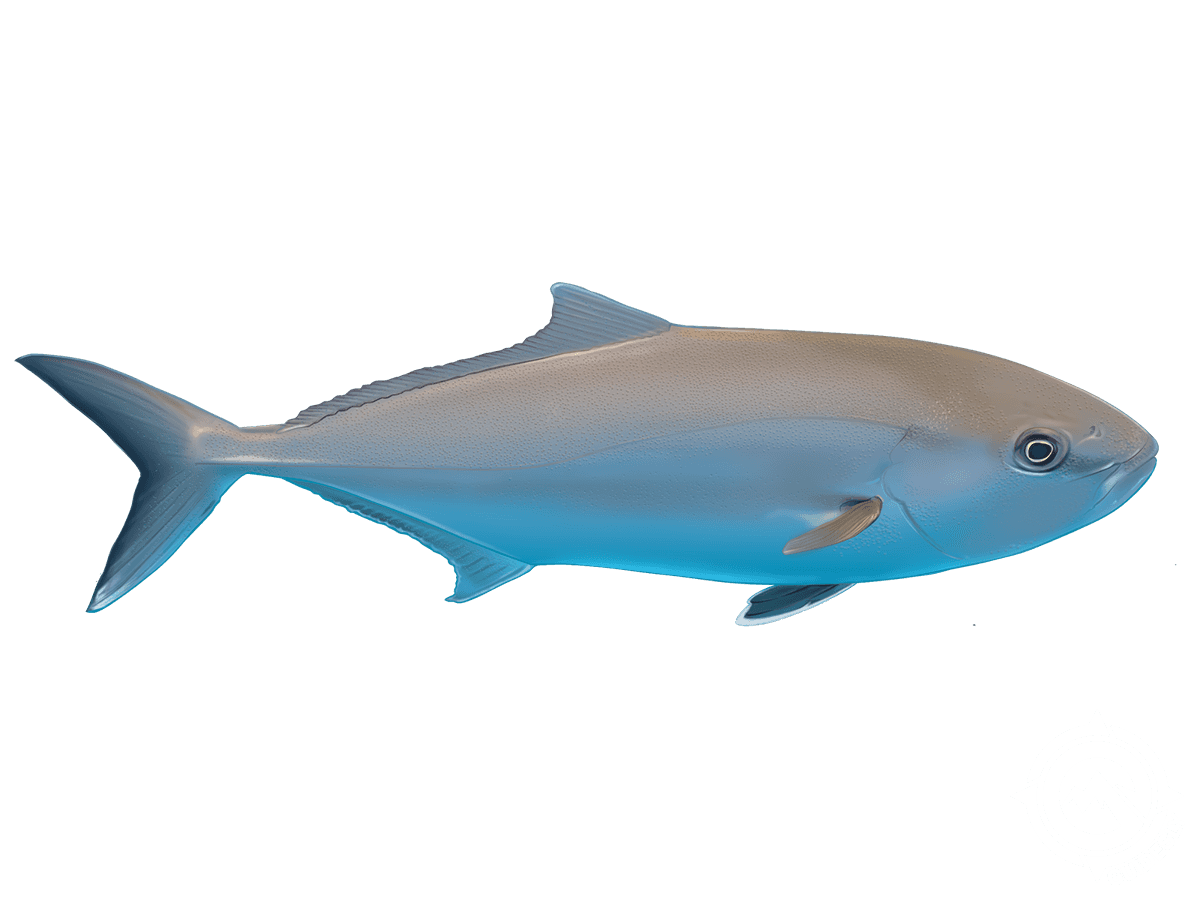
King Mackerel
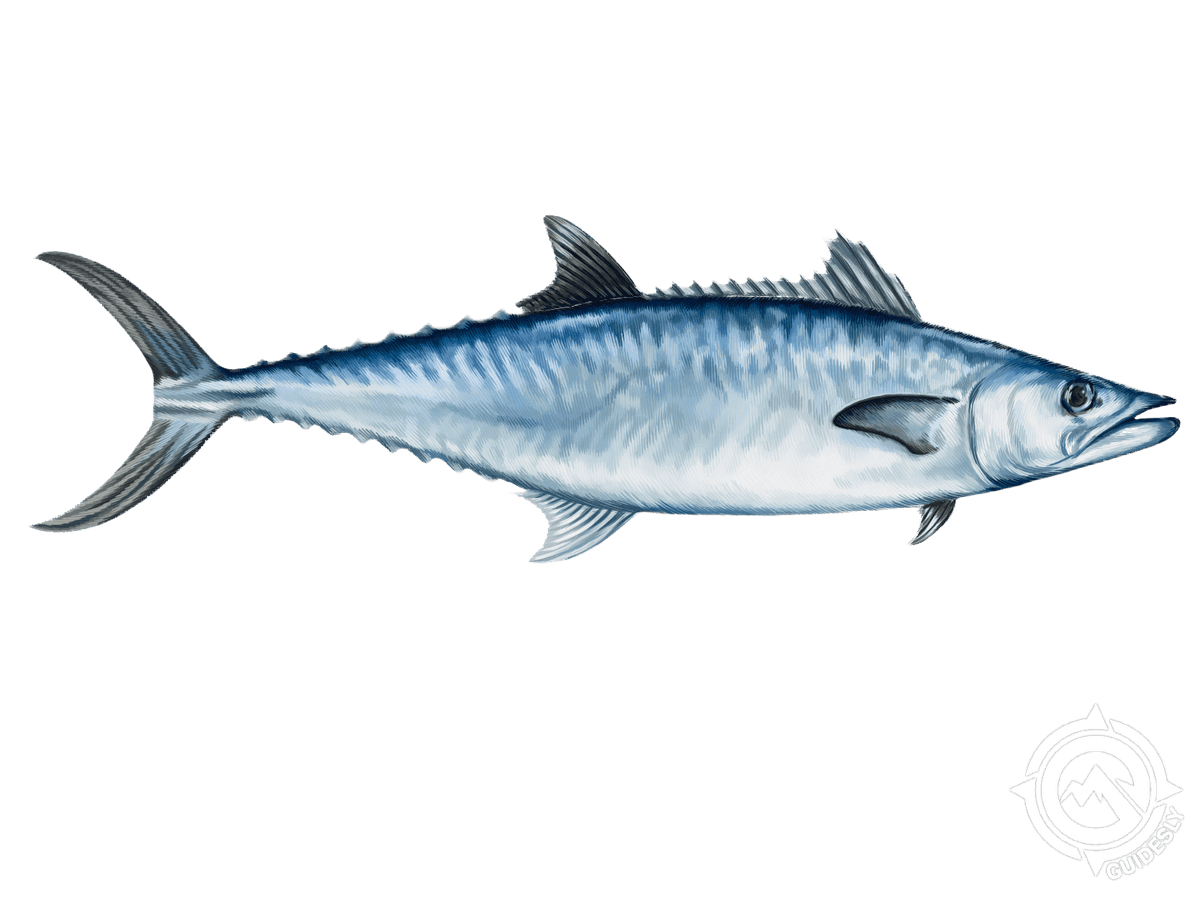
King Mackerel are speed demons of the sea, reaching up to 5 feet long and 30 pounds. You'll find them in depths from 40 to 150 feet, often near inlets and harbors. These fish are lightning-fast predators, known for their blistering runs and acrobatic jumps when hooked. Late summer to early fall is prime time, as they follow bait schools along the coast. Anglers love targeting Kings for their hard-fighting nature and the challenge they present. To boost your chances, try slow-trolling live bait like mullet or menhaden. Keep your drag set light - when a King hits, it'll peel off line like nobody's business. Just remember, they've got razor-sharp teeth, so wire leaders are a must. The meat's good eating too, just watch out for the bones.
About the Center Console Boats
%2F%2Fusers%2F5ff2ce94-7b73-4884-9dea-87069e8872bb%2Fvehicle_picture%2Fimage82.png&w=1200&q=75)
Vehicle Guest Capacity: 4
Manufacturer Name: Mercury
Maximum Cruising Speed: 45
Number of Engines: 1
Horsepower per Engine: 200