%2Ffit-in%2F250x250%2Fguide_websites%2F19510%2Fimages%2F1739477814243logo.png&w=1200&q=100)
/users/5ff2ce94-7b73-4884-9dea-87069e8872bb/ratecard/ratecard02.jpeg)
%2F300x300%2Fusers%2F5ff2ce94-7b73-4884-9dea-87069e8872bb%2Fratecard%2Fratecard02.jpeg&w=256&q=75)
%2F300x300%2Fusers%2F5ff2ce94-7b73-4884-9dea-87069e8872bb%2Fimages%2Fscenic-coastal-landscape-sc-2636.jpg&w=256&q=75)
%2F300x300%2Fusers%2F5ff2ce94-7b73-4884-9dea-87069e8872bb%2Fimages%2Fbest-great-fishing-sc-2386.jpg&w=256&q=75)
%2F300x300%2Fusers%2F5ff2ce94-7b73-4884-9dea-87069e8872bb%2Fimages%2Ffishing-fun-south-carolina-2560.png&w=256&q=75)
%2F300x300%2Fusers%2F5ff2ce94-7b73-4884-9dea-87069e8872bb%2Fimages%2Fbig-gag-grouper-south-carolina-2792.png&w=256&q=75)
%2F300x300%2Fusers%2F5ff2ce94-7b73-4884-9dea-87069e8872bb%2Fimages%2Fbest-great-fishing-sc-2656.png&w=256&q=75)
%2F300x300%2Fusers%2F5ff2ce94-7b73-4884-9dea-87069e8872bb%2Fimages%2Ffishing-fun-myrtle-beach-2579.png&w=256&q=75)
%2F300x300%2Fusers%2F5ff2ce94-7b73-4884-9dea-87069e8872bb%2Fimages%2Ffishing-adventure-myrtle-beach-2558.png&w=256&q=75)
%2F300x300%2Fusers%2F5ff2ce94-7b73-4884-9dea-87069e8872bb%2Fimages%2Ffishing-adventure-sc-2383.png&w=256&q=75)
%2F300x300%2Fusers%2F5ff2ce94-7b73-4884-9dea-87069e8872bb%2Fimages%2Fgreat-fishing-myrtle-beach-2344.png&w=256&q=75)
%2F300x300%2Fusers%2F5ff2ce94-7b73-4884-9dea-87069e8872bb%2Fimages%2Fangler-catch-myrtle-beach-2425.png&w=256&q=75)
World-Class 9-Hour Offshore Fishing in North Myrtle
 North Myrtle Beach
What you will be catching:
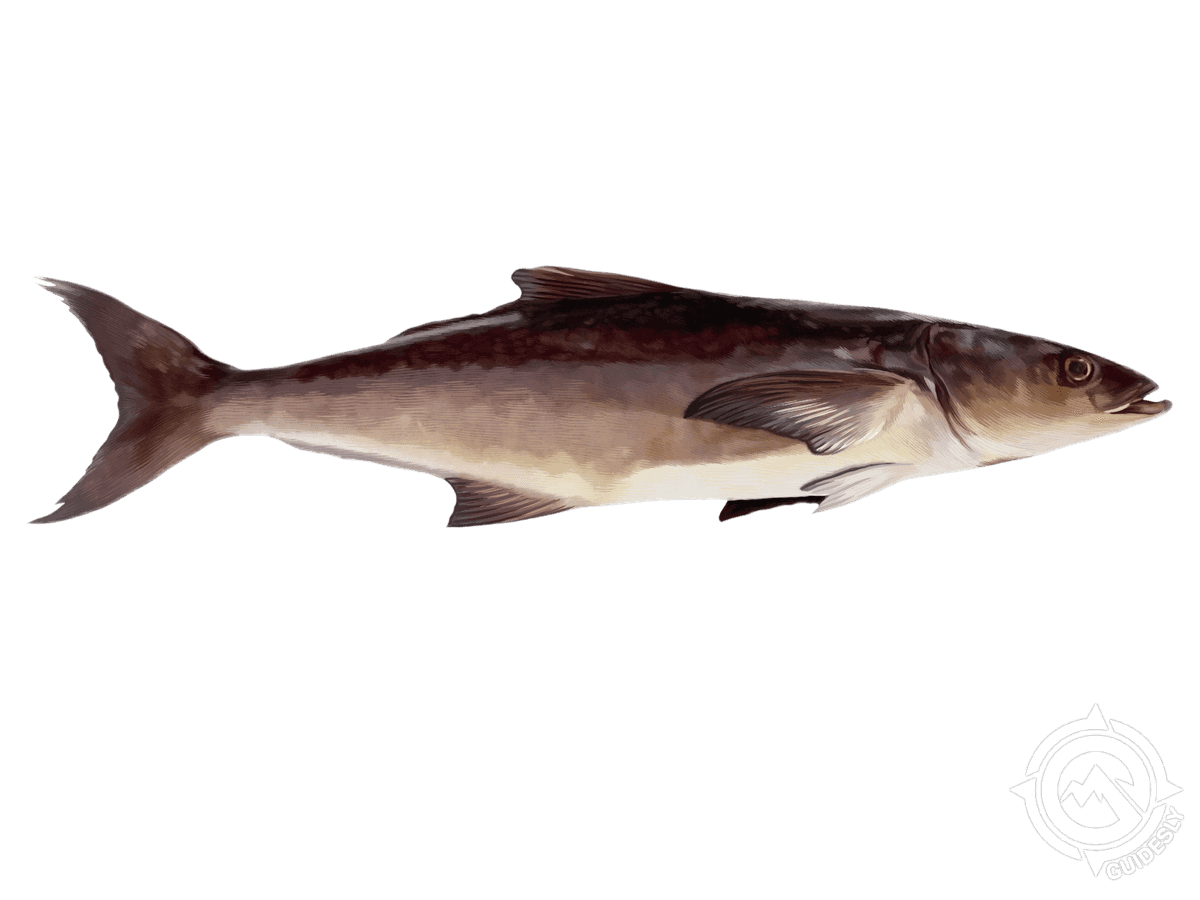
 Cobia
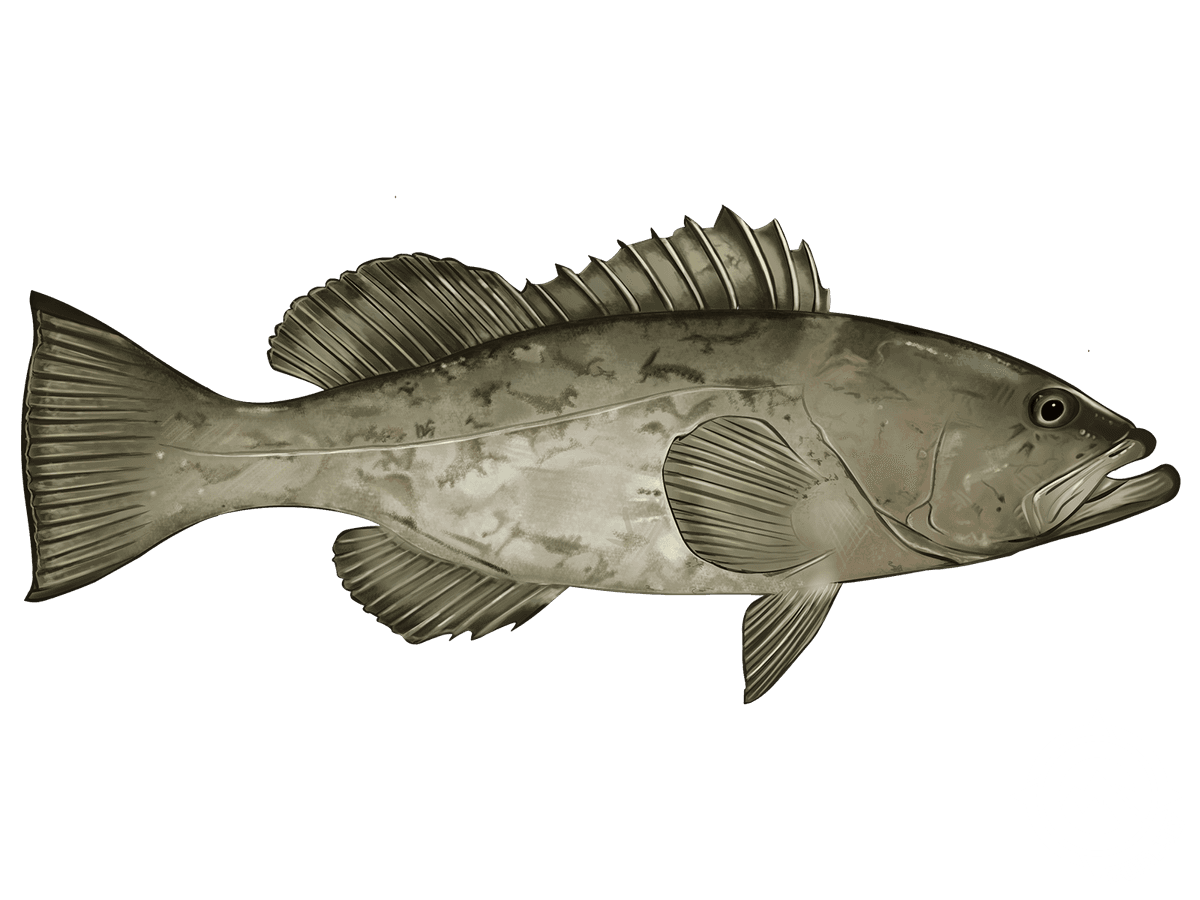
Cobia Gag Grouper
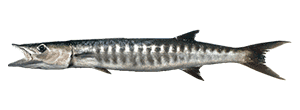
 Great Barracuda
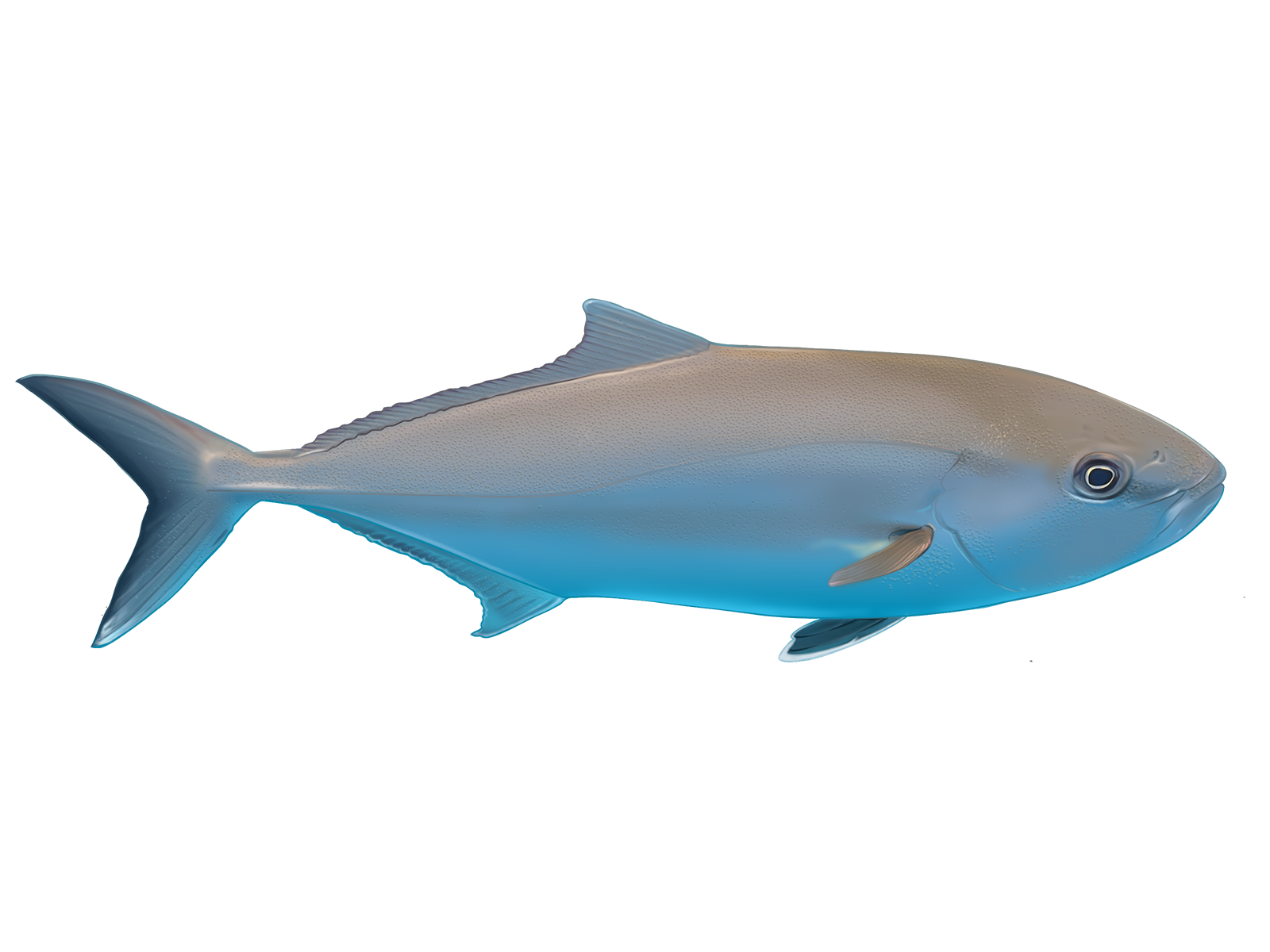 Greater Amberjack
 King Mackerel
- Full-day offshore fishing 35-55 miles from North Myrtle Beach
- 4-5 hours fishing time with flexible scheduling and top equipment
- Expert crew guides up to 4 anglers in prime Atlantic waters
Trip Pricing and Availabilities:
Offshore Adventure: Big Game Fishing in North Myrtle Beach
Hey there, fellow angler! Ready to chase some serious fish in the deep blue? Our offshore trips out of North Myrtle Beach are the real deal. We're talking about heading 35 to 55 miles out where the big boys play. Trust me, once you've felt the pull of a monster fish on the end of your line out here, you'll be hooked for life.
What to Expect on the Water
We like to get an early start to make the most of your day. We'll be cruising out to the prime fishing grounds, aiming to drop lines by 8 or 9 AM. That gives you a solid 4 to 5 hours of quality fishing time. And don't worry about watching the clock - we keep things flexible on the return to account for weather or if the bite is on fire. No extra charges, just more time to land that fish of a lifetime. Our boat's decked out with top-notch gear, and we've got the local know-how to put you on the fish. Whether you're a seasoned pro or it's your first time offshore, we'll make sure you've got a shot at some impressive catches.
Techniques for Offshore Success
Out here in the deep, we mix it up depending on what's biting. We might start the day trolling for pelagics like King Mackerel, dragging a spread of live baits or artificial lures. When we mark some structure on the fish finder, we'll switch to bottom fishing for grouper or amberjack. Sometimes we'll even do some sight casting if we spot cobia cruising near the surface. We've got a full arsenal of techniques, from drift fishing with live bait to jigging and everything in between. The key is staying adaptable and reading the water. Don't worry if you're new to this - we'll walk you through every step and have you fishing like a pro in no time.
Top Catches This Season
Our offshore waters have been on fire lately. We've been consistently putting clients on some monster King Mackerel, with several fish over 40 pounds hitting the deck. The Greater Amberjack bite has been insane too - these "reef donkeys" will test your arms and your drag. One group last week battled a 70-pounder for nearly an hour! The grouper fishing has been steady, with some nice Gags coming up from the deeper wrecks. And let's not forget about the Barracudas - always a thrill when these toothy missiles come screaming up from the depths. If you're lucky, we might even run into some Cobia. They've been showing up more frequently, and trust me, hooking into one of these bulldogs of the sea is an experience you won't forget.
Species You'll Want to Hook
King Mackerel: These speedsters are the bread and butter of our offshore trips. They're known for blistering runs and acrobatic jumps. Kings typically range from 10 to 30 pounds, but we've seen some pushing 50+ out here. They love to hit trolled baits and put on one heck of a show when hooked. Best time to target them is late spring through fall.
Greater Amberjack: Pound for pound, these might be the hardest fighting fish in the ocean. We call 'em "reef donkeys" for a reason - they're stubborn, powerful, and will test your stamina. They hang around wrecks and reefs, and when you drop a jig down, be ready for a freight train to hit. AJs can easily top 50 pounds, with some real monsters pushing 100. They're most active in the warmer months.
Great Barracuda: The tigers of the sea, 'cudas are all teeth and attitude. They're ambush predators that will chase down just about anything that moves. Watching a big 'cuda rocket out of the blue water to nail a bait is a sight you won't forget. They're here year-round but seem to be more aggressive in the summer. While not the best eating, they're a blast to catch and release.
Cobia: These bruisers are like the prize fighters of the ocean. They're curious fish that often swim right up to the boat, giving us a chance to sight cast to them. Cobia are known for their powerful runs and dogged fights. They typically range from 20 to 50 pounds, but we've seen some pushing 80. Spring and early summer are prime time for cobia, as they migrate along our coast.
Gag Grouper: If you want to test your back against a real heavyweight, gag grouper are your target. These bottom-dwellers are ambush feeders that love to hole up in wrecks and reefs. When you hook one, your first job is to pull them away from their structure before they can break you off. Gags average 15 to 30 pounds, but 50+ pounders aren't unheard of. They're most active in the cooler months, making them a great target for fall and winter trips.
Why Anglers Keep Coming Back
Let me tell you, there's something special about fishing these waters. Maybe it's the moment when your rod doubles over and line starts screaming off the reel. Or maybe it's the camaraderie that comes from working together to land a big fish. Whatever it is, I've seen countless first-timers turn into die-hard offshore addicts after just one trip. The variety of species we target means every trip is different, and there's always a chance at that fish of a lifetime. Plus, there's nothing like enjoying the fruits of your labor - whether that's a fresh fish dinner or the pride of a successful catch and release.
Time to Book Your Spot
Alright, I've given you the inside scoop on what makes our offshore trips out of North Myrtle Beach so special. From the adrenaline rush of battling big game fish to the peaceful moments watching the sunrise over the open ocean, it's an experience you won't find anywhere else. Our trips are perfect for seasoned anglers looking to test their skills, families wanting to make lasting memories, or anyone who's dreamed of landing a trophy fish. We've got the knowledge, the gear, and the passion to make your offshore adventure unforgettable. So what do you say? Ready to feel the pull of a monster fish and create some fishing stories of your own? Don't let another season slip by - grab your spot on the boat and let's get out there where the big ones live. The fish are waiting, and trust me, you don't want to miss out on this action!
Learn more about the species
Cobia
Cobia are the oddball of the offshore world – part shark, part catfish, all attitude. These brown battlers average 30-50 pounds but can top 100. You'll find them cruising near the surface around buoys, wrecks, and even manta rays from spring through fall. Cobia are curious fish, often swimming right up to the boat for a look. Anglers prize them for their hard fights and excellent table fare. To land one, sight-casting is the way to go. When you spot that big brown shadow, toss a live eel or jig their way. Be ready though – when a cobia hits, it's like hooking a freight train. They'll run, jump, and do everything they can to throw that hook!
Gag Grouper
Gag Grouper are the bruisers of the bottom, with big mouths and even bigger attitudes. These olive-brown ambush predators typically run 10-30 pounds but can hit 50+. You'll find them hunkered down on reefs and wrecks in 60-250 feet of water. Fall and winter are prime time as they move offshore to spawn. Anglers love gags for their hard-pulling fights and excellent table fare. To target them, drop a live pinfish or large jig right into the structure. When you feel that thump, start reeling fast – gags will dive for cover the second they're hooked. Pro tip: use a heavy drag setting to keep 'em from rocking you up in the reef. Just be ready for a battle – these guys don't come up easy!
Great Barracuda
Great Barracuda are the sleek predators of the reef, with a mouthful of teeth that'll make you think twice about hand-lining. These silver torpedoes can stretch to 6 feet and hit speeds of 35 mph in short bursts. You'll spot them lurking around reefs, wrecks, and channel edges in 20-100 feet of water. They're here year-round, but summer brings bigger numbers inshore. Anglers love 'cudas for their explosive strikes and aerial acrobatics. While not great table fare, they're a blast to catch. To hook one, try trolling a flashy lure or live bait near the surface. Just watch those teeth when you're unhooking – I've seen 'em snap through heavy leaders like they're fishing line!
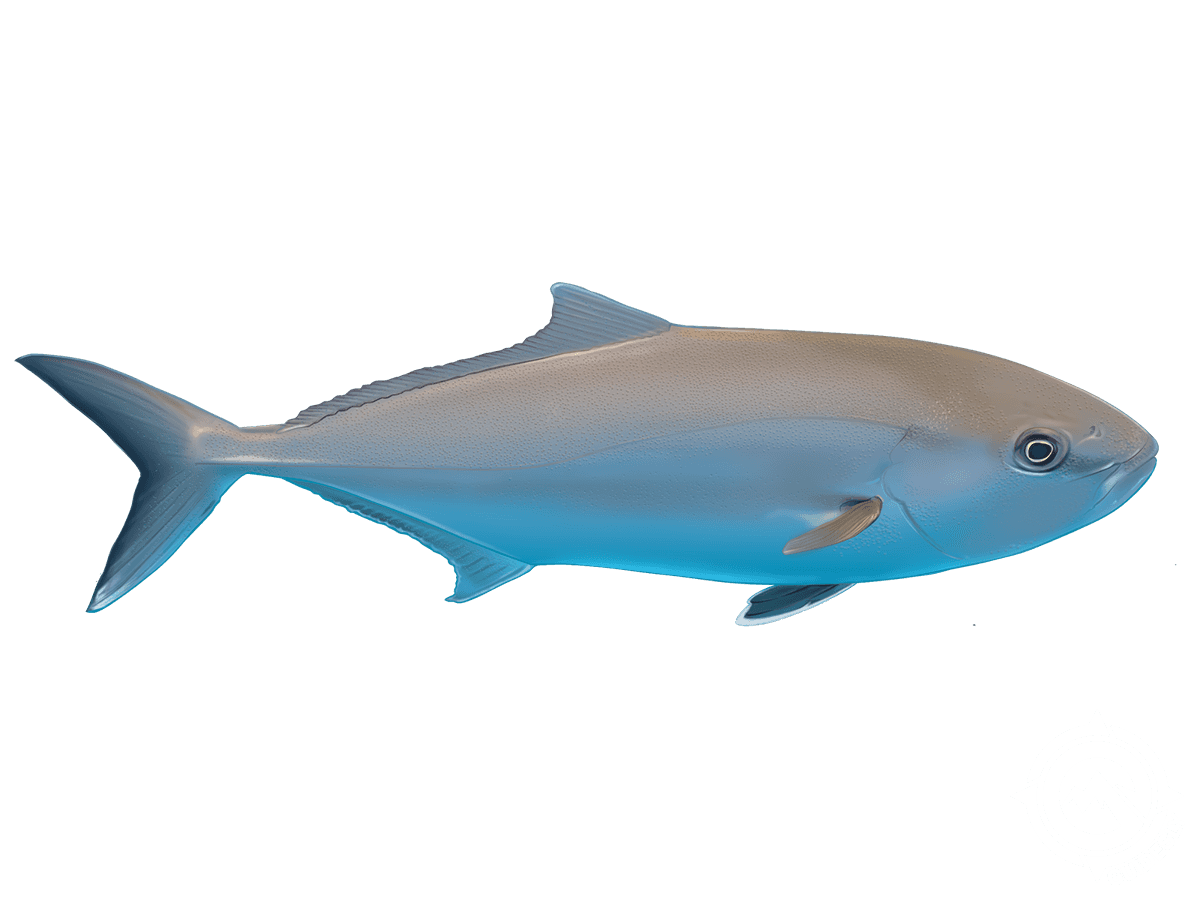
Greater Amberjack
Greater Amberjack are bruisers of the offshore world, packing a punch that'll test any angler's mettle. These powerful fish average 30-50 pounds but can top 100. Look for them around deep reefs, wrecks, and oil rigs in 60-240 feet of water. Spring and fall are your best bets as they move to spawn. Amberjack are prized for their tenacious fights – they'll dive deep and circle structure, giving you a real workout. While not the best eating, the thrill of the catch keeps folks coming back. If you're after one, try dropping a live blue runner or pinfish near the bottom. When you feel that thump, hang on tight and start cranking – these guys don't give up easy!
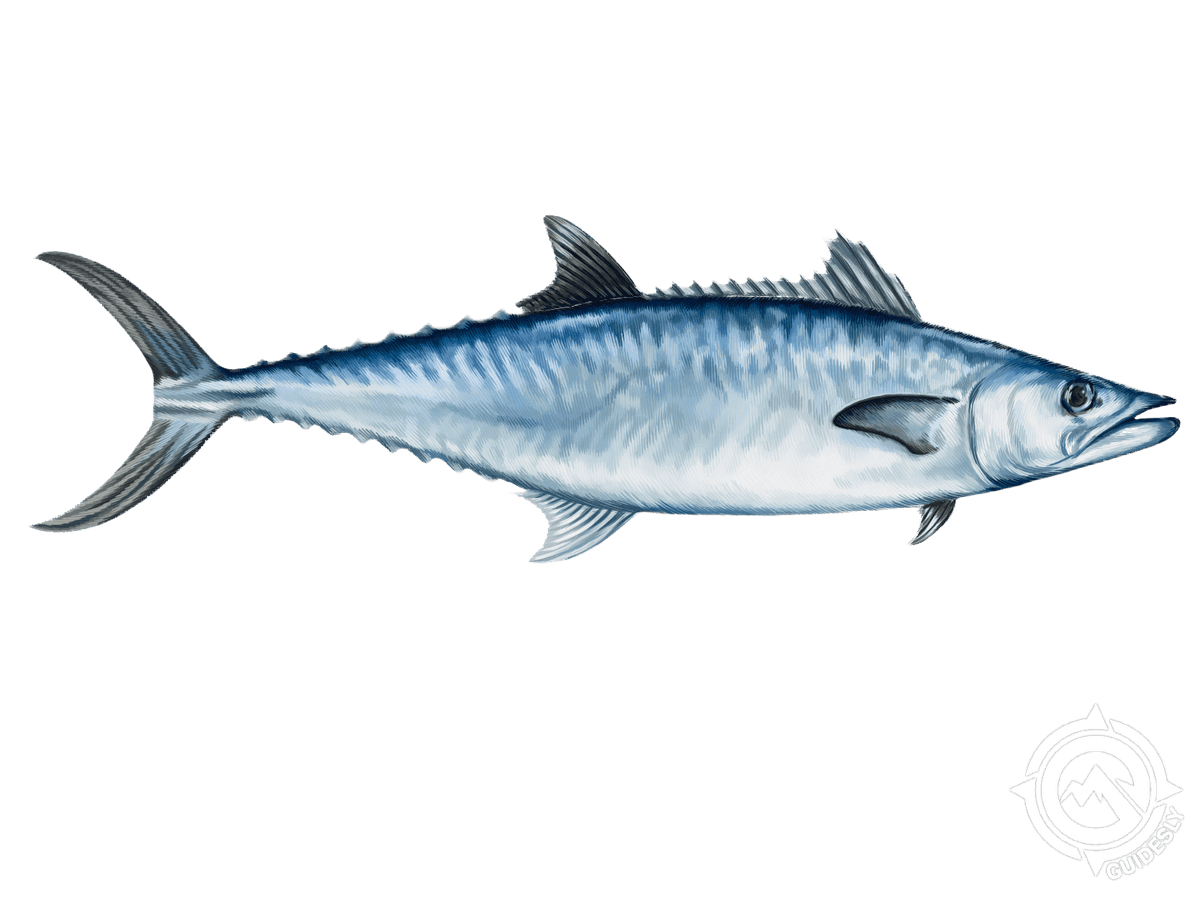
King Mackerel
King Mackerel are speedsters of the sea, known for their blistering runs and acrobatic jumps. These silvery torpedoes typically range from 20-40 pounds but can hit 90+ in rare cases. You'll find them in depths of 40-150 feet, often near structure or following bait schools. Late spring through fall is prime time, as they migrate up the coast. Anglers love Kings for their hard-fighting nature and the challenge of landing one. To boost your chances, try slow-trolling live bait like mullet or menhaden. Keep your drag set light – when a King hits, it'll peel off line like nobody's business. Just remember to watch those teeth when you bring one aboard!
About the Center Console Boats
%2F%2Fusers%2F5ff2ce94-7b73-4884-9dea-87069e8872bb%2Fvehicle_picture%2Fimage82.png&w=1200&q=75)
Vehicle Guest Capacity: 4
Manufacturer Name: Mercury
Maximum Cruising Speed: 45
Number of Engines: 1
Horsepower per Engine: 200